What Marsden's Small Businesses Know About Self Storage (That You Don't)
Find Out More →Small businesses in Marsden figured something out about self storage that most homeowners haven't yet: it's not just a place to dump things you don't want to look at. It's a tool. And once you see it that way, everything changes.
I've watched how our local traders use storage units—the textile mill operators, the heritage site managers, seasonal businesses working around the Standedge Tunnel visitor season—and they're doing something smarter than just renting a unit and shoving boxes in. They're thinking strategically. And the lessons they've learned apply just as much to your spare bedroom problem as they do to managing stock rotation.
How Local Businesses Actually Use Storage
First thing I noticed: they're not storing junk. They're storing *inventory*. Tools that rotate seasonally. Stock they need quick access to but not every day. Documents they're legally required to keep but don't need underfoot.
Here's the difference—and it matters. They treat storage like the third room of their business, not the last resort. They know exactly what's in there, where it is, and why. They're not paying for space they've forgotten about. They're not renting a unit and discovering six months later that half of it could've stayed home.
The best part? They plan ahead. They don't wait until the season changes or a delivery arrives to think about where things go. They use storage as part of their normal operating rhythm.
The System: How They Stay Organised
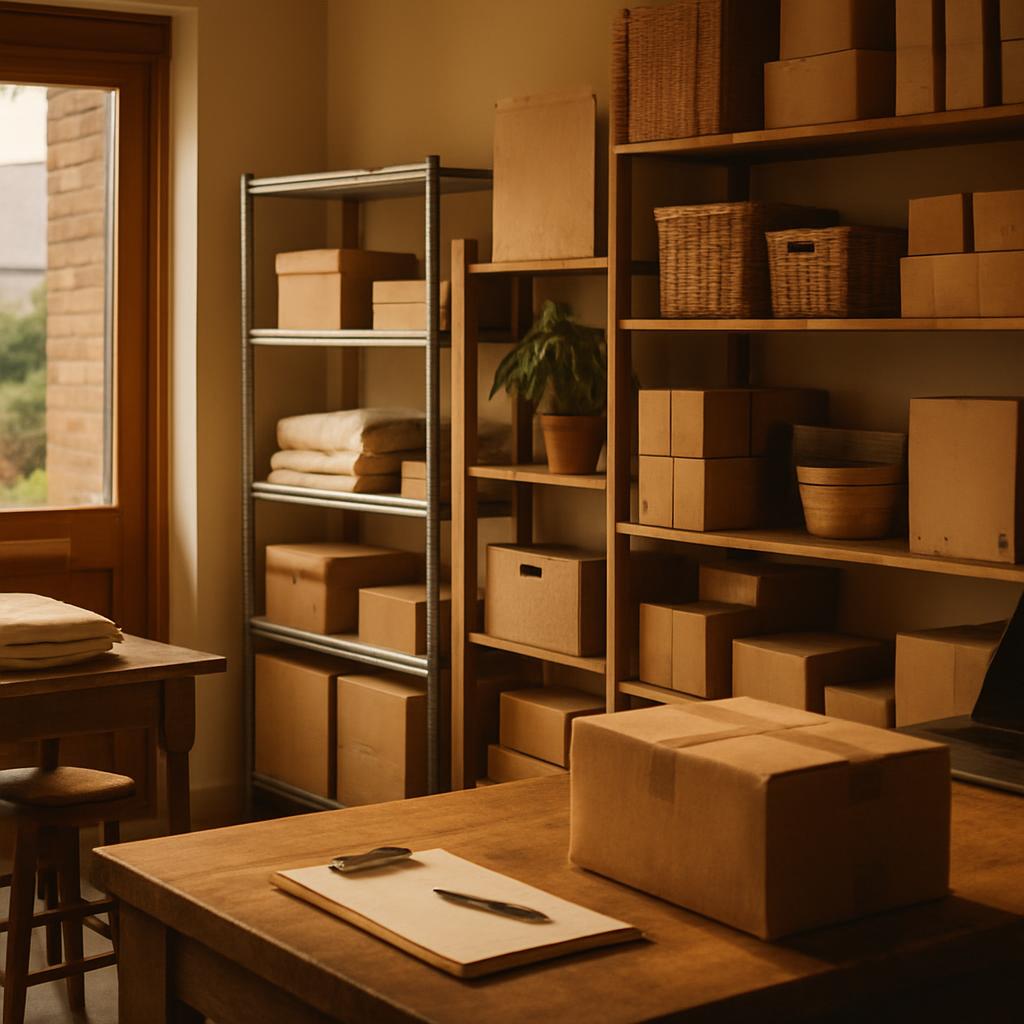
This is where homeowners usually stumble. A business can't afford chaos, so they've figured out what actually works. They keep lists. They label everything clearly. They know what they have and where. Some of them even take photos of what's stored—sounds simple, but it stops you from duplicating things or forgetting valuable bits.
They also don't overstuff. A unit that's rammed to the ceiling isn't efficient; you can't actually get to anything. They use the space smartly—shelving, clear containers, good labelling. Everything has a home.
And here's something I hadn't expected: they use their storage unit to ease seasonal pressure. When stock comes in before a busy period, some of it waits in storage until they need it. This keeps their premises clear and their staff sane. It's not complicated, but it works.
The Real Lesson for Homeowners
Most of us treat storage like an emergency. The loft's full, the garage is chaos, so we rent a unit as a quick fix. Businesses approach it differently—as something planned and purposeful.
If you're storing things at home that you only use seasonally—Christmas decorations, garden furniture, winter clothes—a unit keeps your house usable year-round. If you're keeping things because you *might* need them but genuinely don't have room, storage lets you keep them without cluttering your life. And if you're between moves or dealing with a life change, storage is genuinely useful breathing room while you sort yourself out.
The businesses I've talked to aren't storing things forever. They're storing them *sensibly*, with a clear purpose and a system that works. That's the shift in thinking that matters.
Getting Started: What Actually Helps
Start small. Don't rent a massive unit if you don't need it. Think about what you actually want to store and why. Be honest with yourself—if it's genuinely useful, store it properly. If it's just taking up space, let it go.
Then apply the business approach: label things, keep a list, and use the space efficiently. You'll know exactly what you have and why it's there. No surprise costs, no forgotten items.
Anyone who's lived in Marsden knows we're not short of character in our homes, but we're also not short of stuff. If you're ready to try what the local businesses have figured out, find out more about us at Self Storage Marsden. We're here to help you store smart, not just store more.
Looking for Self Storage near Marsden?
We have secure, flexible units available in the area. Get in touch with Self Storage Marsden today.
Find Out More →